Hypertension affects one in four adults and is usually treated with medication, even though lifestyle changes can reduce blood pressure.
LAST year, I was diagnosed with high blood pressure, otherwise known as hypertension. “Why me?” I asked. “I exercise regularly, I’m not overweight, I don’t smoke and I don’t drink excessively. I even meditate.”
At first, I doubted the diagnosis. Admittedly, my blood pressure had been up in a routine consultation. But when I monitored it at home over the following week, the measurements differed every time, even from one minute to the next. Besides, the average of these readings wasn’t much above the normal range. Yet my doctor had recommended pills to bring the pressure down. Why act on such shifting figures? How do the pills work? Are they safe? Is high blood pressure really a problem anyway? And, again, why me?
Now I know that hypertension increases the risk of death from covid-19, I am even more motivated to get to the bottom of it. And I am surely not alone. One in four adults have high blood pressure – that is some 16 million people in the UK and around a billion worldwide – and, globally, its prevalence is rising, especially in the developing world. It is linked with stress and occurs more often among certain groups of people, including smokers, heavy drinkers and those who are pregnant, inactive or overweight. But there is so much about this common condition that remains a mystery, even to people diagnosed with it. That wasn’t good enough for me. I wanted answers, so I decided to look into it myself.
The number of Americans at risk for heart attacks and strokes just got a lot higher. An estimated 103 million U.S. adults have high blood pressure, according to new statistics from the American Heart Association. That’s nearly half of all adults in the United States.
“With the aging of the population and increased life expectancy, the prevalence of high blood pressure is expected to continue to increase,” said epidemiologist Dr. Paul Muntner, co-chair of the group that wrote the AHA’s Heart Disease and Stroke Statistics—2018 Update(link opens in new window), published Wednesday in Circulation.
The death rate from high blood pressure increased by nearly 11 percent in the United States between 2005 and 2015, and the actual number of deaths rose by almost 38 percent — up to nearly 79,000 by 2015, according to the statistics. Worldwide, high blood pressure affects nearly a third of the adult population and is the most common cause of cardiovascular disease-related deaths, said Muntner, a professor and vice chair in the Department of Epidemiology at the University of Alabama at Birmingham.
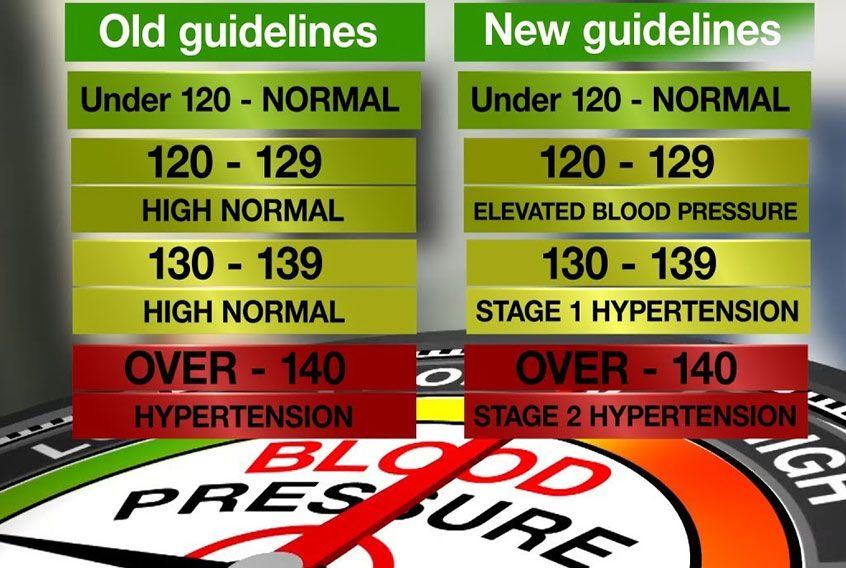
Guidelines published last November redefined high blood pressure, also known as hypertension, as a reading of 130 on top or 80 on the bottom. The standard used to be 140 over 90. The percentage of U.S. adults with high blood pressure jumped from 32 percent under the old definition to nearly 46 percent.
“Before this guideline, if your blood pressure was at 130, you weren’t supposed to do anything,” said cardiologist Dr. Kenneth Jamerson, an author of the high blood pressure guidelines.
“With the new [high blood pressure] guideline, we’re having patients do something about it,” he said. For his patients, that includes 30 minutes of physical activity five days a week and the DASH diet(link opens in new window), plus medication if the patient has additional heart disease risk factors, Jamerson said.
According to the statistics, only about one in five Americans gets enough exercise and poor eating habits contributed to 45 percent of U.S. deaths in 2012 from heart disease, stroke and Type 2 diabetes.
Overall, cardiovascular diseases remain the leading cause of death in the world, claiming nearly 18 million lives in 2015. In the United States, heart disease is the No. 1 cause of death and stroke is No. 5.
Even so, these latest statistics show progress is being made, said Dr. Emelia Benjamin, who led the group that wrote the statistics report.
“We’ve made incredible inroads in cardiovascular disease,” said Benjamin, a professor of cardiology at Boston University’s School of Public Health. “There’s a real focus on improving health by adopting a healthy lifestyle, not just waiting to develop disease before one focuses on risk factors.”
By AMERICAN HEART ASSOCIATION NEWS
A sampling of U.S. data from the American Heart Association’s 2018 heart disease and stroke statistics
report.
1 million
People who will have a heart attack or die from coronary heart disease this year
16.5 million
Americans age 20 and older who are living with coronary heart disease
795,000
People who will have a stroke this year
356,000
Cardiac arrests that occur outside a hospital each year
103 million
Adults with high blood pressure
6.5 million
Americans age 20 and older who are living with heart failure
38 percent
Rise in the number of high blood pressure deaths between 2005 and 2015
23 million
Adults with Type 2 diabetes
15 percent
Adults who smoked in 2015
56 million
People 40 and older who are eligible for cholesterol-lowering statins
38 percent
Adults who were obese as of 2014
Source: “Heart Disease and Stroke Statistics—2018 Update: A Report from the American Heart
Association,” Circulation (numbers rounded)