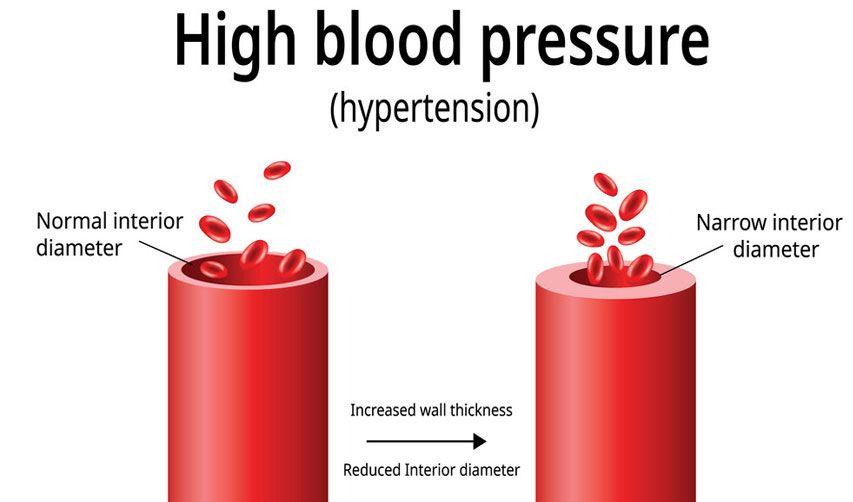
Consuming at least two servings of dairy every day is associated with reduced risks of diabetes, hypertension as well as a clutch of factors that raise the risk of cardiovascular disease (elevated blood pressure, abdominal obesity, elevated triglycerides, low high-density lipoprotein (HDL) cholesterol and elevated blood glucose), according to a recent global study. The researchers observed that these associations were strongest for full-fat dairy products.
Although older studies have demonstrated that higher dairy intake is linked to lower risk of diabetes, high blood pressure, and metabolic syndrome (MetS), they have only focused on North America and Europe.
Hypertension is common among patients with diabetes, with the prevalence depending on type and duration of diabetes, age, sex, race/ethnicity, BMI, history of glycemic control, and the presence of kidney disease, among other factors. Furthermore, hypertension is a strong risk factor for atherosclerotic cardiovascular disease (ASCVD), heart failure, and microvascular complications. ASCVD—defined as acute coronary syndrome, myocardial infarction (MI), angina, coronary or other arterial revascularization, stroke, transient ischemic attack, or peripheral arterial disease presumed to be of atherosclerotic origin—is the leading cause of morbidity and mortality for individuals with diabetes and is the largest contributor to the direct and indirect costs of diabetes. Numerous studies have shown that antihypertensive therapy reduces ASCVD events, heart failure, and microvascular complications in people with diabetes. Large benefits are seen when multiple risk factors are addressed simultaneously. There is evidence that ASCVD morbidity and mortality have decreased for people with diabetes since 1990 likely due in large part to improvements in blood pressure control. This Position Statement is intended to update the assessment and treatment of hypertension among people with diabetes, including advances in care since the American Diabetes Association (ADA) last published a Position Statement on this topic in 2003.
To find out whether these associations are applicable to a broader range of people worldwide, the researchers sought to conduct a prospective epidemiological study that included individuals in the age group 35 to 70. They belonged to 21 different countries including Argentina, Canada, Brazil, Bangladesh, Philippines, China, Chile, Sweden, Saudi Arabia, South Africa, Tanzania, Turkey, Malaysia, India, Pakistan, UAE, Colombia, Iran, Palestine, Poland, and Zimbabwe.
The researchers assessed the regular dietary intake of these participants over the previous 12 months by means of Food Frequency Questionnaires. The list of dairy products included milk, yogurt, cheese, yogurt drinks, and other dishes made using dairy products that were classified as either full or low fat.
They assessed butter and cream separately since these two dairy products weren’t commonly consumed in some of the countries the participants came from. They also gathered information pertaining to personal medical history, education, use of prescription medicines, weight, height, waist circumference, blood pressure, fasting blood sugar, and smoking.
High blood pressure (hypertension) can lead to many complications of diabetes, including diabetic eye disease and kidney disease, or make them worse. Most people with diabetes will eventually have high blood pressure, along with other heart and circulation problems.
Diabetes damages arteries and makes them targets for hardening, called atherosclerosis. That can cause high blood pressure, which if not treated, can lead to trouble including blood vessel damage, heart attack, and kidney failure.
They used standard serving sizes for each dairy product. For instance, one glass of milk or a cup of yogurt was 244 gm, a teaspoon of butter was 5 gm and one cheese slice was 15 gm.
Key findings of the study
Higher intakes of whole fat dairy, when consumed alone or when taken alongside low-fat dairy, reduced the prevalence of metabolic syndrome. Consuming a minimum of 2 dairy servings every day was linked to a 24% reduced risk of metabolic syndrome, compared with no daily dairy consumption.
Total dairy and full-fat dairy consumption, but not low-fat dairy, was associated with a lower prevalence of metabolic syndrome components, such as blood pressure, waist circumference, high-density cholesterol, triglycerides and fasting blood sugars.
Higher intake of total dairy was associated with a reduced incidence of diabetes and hypertension. Consuming at least 2 servings of total dairy, especially full fat, was associated with an 11-12% reduced risk of diabetes and hypertension, compared with zero daily dairy intake.
“Intake of dairy products, especially whole-fat products, is associated with a lower prevalence of MetS and its individual components at baseline, and a lower risk of hypertension and diabetes during follow-up. If our findings are confirmed in sufficiently large and long-term trials, then increasing dairy consumption may represent a feasible and low-cost approach to reducing MetS, hypertension, diabetes, and ultimately cardiovascular disease events worldwide,” the researchers said in their study published in BMJ Open Diabetes Research & Care.
By Divya Ramaswamy