People with underlying health conditions face a greater risk of death from COVID-19 and San Diego County health officials have pointed to hypertension as the leading factor in local fatalities. The most recent county data shows more than half of San Diegans who died from the illness suffered from hypertension, while one-third had diabetes, dementia or Alzheimer’s, or heart disease.
Federal statistics show nearly half of the nation’s adults suffer from the condition and most are not adequately addressing it.
Of the 266 San Diegans who as of Friday have died from the illness caused by the novel coronavirus, more than half had hypertension, according to the county. Data provided by the Health and Human Services Agency showed that was the case with at least 152 people, but most of them also had at least one other ailment — only 17 of the victims with hypertension had no other disorder.
Infectious disease specialist Dr. Christian Ramers, the chief of Population Health at Family Health Centers of San Diego, said more research is necessary to determine the exact reason it increases mortality, but one indication is how the virus infiltrates human cells. Ramers said SARS-CoV-2 latches on to a receptor that is also the target of medication to treat hypertension.
“That may be one reason why hypertension is at the top of the list — there may be a relationship between people that have hypertension and the density of these receptors in certain parts of the body,” said Ramers, an assistant medical director at the nonprofit Family Health Centers.
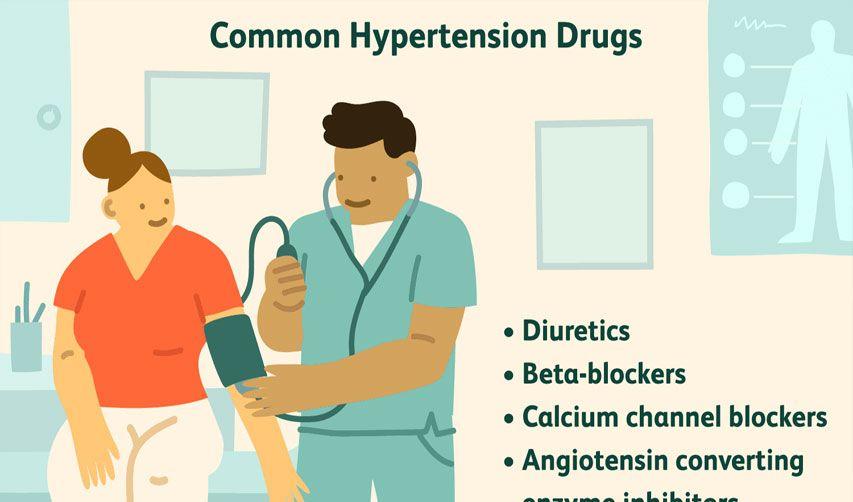
This may also point to why few cases are seen in children because they have lower concentration of the angiotensin converting enzyme receptor known as ACE-2, Ramers said. ACE-inhibitors are common treatments for high blood pressure, but a trio of national organizations focused on cardiovascular health said the prescription drug does not increase the risk of contracting COVID and it should not be discontinued unless directed by a medical professional.
San Diego County provided only aggregate data on underlying health afflictions and people may have had more than one; 34% had diabetes, 33% had dementia or Alzheimer’s and 32% had cardiac disease. Additionally, 18% suffered from kidney disease, 12% had chronic obstructive pulmonary disease or asthma, 8% were immunocompromised and 4% were obese.
A total of 257 individuals who died from COVID had pre-existing conditions, but the ailments of 5 of those were not detailed in the data because the county only recently reported those deaths. Underlying health conditions were not a factor in eight COVID fatalities, including the death of a 44-year-old woman that county officials announced Friday.
For one other death, the county was awaiting more information on the person’s medical history.
San Diego County Supervisor Jim Desmond argued in a media interview earlier this month that those who didn’t have underlying conditions and died from COVID are the only “pure, solely coronavirus deaths.” The county’s public health officer dismissed the claim.
Ramers said like with influenza, COVID qualifies as a primary reason for death among people with pre-existing conditions.
“They may be more at risk of dying because of these conditions but it is absolutely the viral infection, the COVID-19 pneumonia that push people over into dying,” Ramers said.
Underlying health disorders, he said, are considered contributing factors.
By Tarryn Mento