About 103 million Americans—which translates to a little less than a third of the US population—suffer from high blood pressure, according to 2018 data from the American Heart Association (AHA). But while high blood pressure (which doctors refer to as hypertension) can cause multiple fatal health issues, many Americans still don’t have it under control, according to the CDC—and many may not even know if they have high blood pressure at all.
Overall, blood pressure is defined as “the force of blood on a vessel wall,” Neha Vyas, MD, a family medicine doctor at Cleveland Clinic, tells Health—and having your blood pressure measured by a doctor is the only way to tell whether your blood pressure is too high. High blood pressure usually has no warning signs or symptoms, per the CDC.
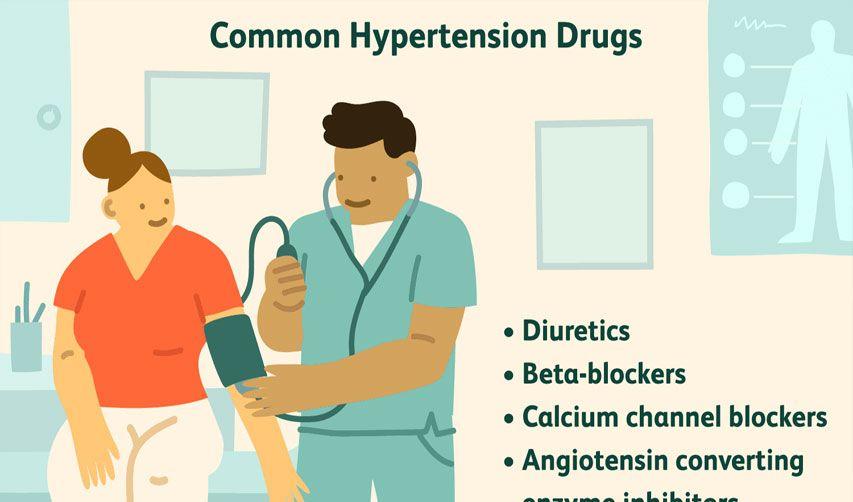
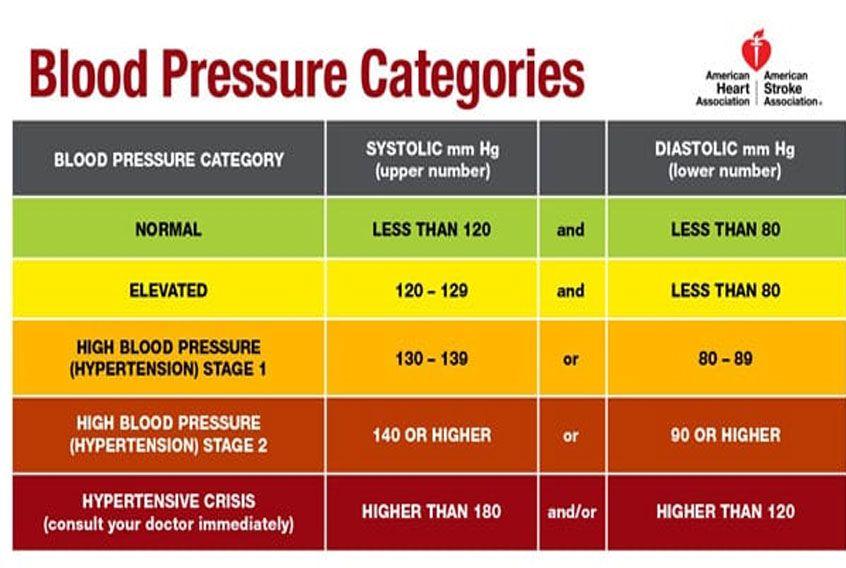
Your blood pressure reading—which is measured by a gauge attached to an inflatable blood pressure cuff that wraps around your arm and gently tightens—comes in two different numbers: Your systolic blood pressure (the pressure inside your arteries when your heart beats) and your diastolic blood pressure (the pressure inside your arteries when your heart is resting). Doctors tell you your blood pressure in this format: systolic blood pressure over diastolic blood pressure (for example, 120 over 80 is considered the normal range for blood pressure, per the AHA).
Dr. Vyas says doctors don’t know exactly what causes high blood pressure, but there are some fairly common contributing factors that can exacerbate the condition. The good news? Many of those factors are preventable.
What is White Coat Hypertension?
Doctors have long been puzzled by white coat hypertension (WCH), a condition that causes a person’s blood pressure reading to be high in a doctor’s office but normal at home. White coat hypertension used to be considered a result of the stress induced by doctor’s appointments.
Now, new research suggests that if white coat hypertension goes untreated, it could increase your chances of suffering from a cardiovascular event and dying from all causes. The new analysis was published yesterday in the Annals of Internal Medicine.
The authors of the new report, which was primarily funded by the National Institutes of Health, set out to better explain the effects of white coat hypertension, which has heretofore been very mysterious to the medical community. Prior to this new report, the long-term risks associated with white coat hypertension were “unclear,” the authors say.
Smoking, for example, is not good for your blood pressure (or, honestly, anything else related to your health). “People who smoke tend to have high blood pressure,” says Dr. Vyas. Another lifestyle factor that contributes is a high stress level, she continues. The American Heart Association points out that, while the relationship between a high stress level and high blood pressure is still being studied, high stress can cause individuals to turn to habits such as excessive alcohol consumption and poor diet, and these are, themselves, risk factors. In other words, if you’re less stressed, you’re more likely to make better choices that help you keep your blood pressure within a healthy range.
Dietary choices can affect your blood pressure, too, like salt intake which can contribute to hypertension in some people. In fact, Dr. Vyas advises slashing your salt intake if you’re looking to make any diet changes to get your blood pressure under control. Making sure you maintain a healthy diet, get enough physical exercise, and don’t drink to excess are also helpful in in lowering blood pressure, since those practices can help you manage your weight, since being a heavier weight is also a risk factor of high blood pressure, says Dr. Vyas.
Unfortunately, there are some risk factors that are uncontrollable, like aging and genetics. If high blood pressure runs in your family, it’s important to make sure you pay extra-close attention to those aforementioned lifestyle factors, since you’re already at risk without an addiction to cigarettes. Lastly, Dr. Vyas says stress is, to a certain extent, uncontrollable.
The main takeaway here? While not all causes of high blood pressure are in your control, there are still many ways to reduce your risk, including abstaining from cigarette smoking, maintaining a healthy weight, and drinking alcohol in moderation. Just as important: Making sure to get your blood pressure checked regularly by your doctor to makes sure you keep it under control.