Drugs that are widely prescribed to treat high blood pressure do not make patients more susceptible to coronavirus infection, or to severe illness if they do become infected, researchers reported on Friday.
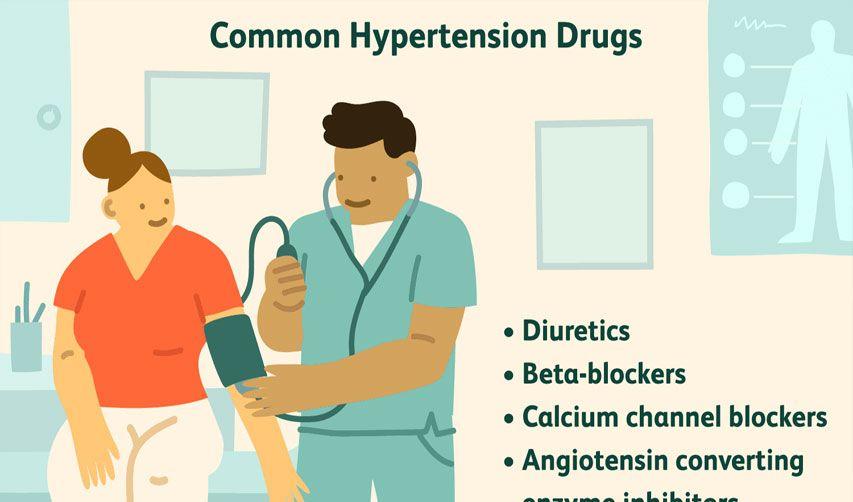
Their findings are good news for millions of people who take blood pressure drugs that belong to two classes: ACE inhibitors, which include lisinopril, captopril and other drugs with generic names ending in –pril; and ARBs, which include losartan, valsartan and other generic drugs ending in –sartan. Brand names for ACE inhibitors include Zestril and Prinivil; for ARBs, Cozaar and Atacand.
Since the epidemic began, conflicting theories have circulated about whether those drugs could make the disease better or worse, or have any effect at all.
The new research was published Friday by The New England Journal of Medicine, and similar findings from China were published last week in JAMA Cardiology.
High Blood Pressure
High blood pressure increases the risk for heart disease and stroke, two leading causes of death for Americans. High blood pressure is also very common. Tens of millions of adults in the United States have high blood pressure, and many do not have it under control. Learn more facts about high blood pressure.
The U.S. study also found no risk linked to three other classes of commonly used blood pressure drugs — beta blockers, calcium-channel blockers and thiazide diuretics.
Both studies were based on reviewing patients’ records, which does not provide evidence as strong as the results of controlled clinical trials, where patients are picked at random to take one treatment or another.
Concerns arose about the drugs early in the epidemic when reports from China indicated that people with hypertension seemed to fare poorly, and it seemed logical to investigate if the cause was the condition itself or if blood pressure drugs were somehow making patients more vulnerable.
In addition, studies in animals had shown that ARBSs and ACE inhibitors could increase the levels in some tissue of a protein called ACE2, which happens to be the substance that the virus grabs onto as it invades cells. In theory, higher levels of that protein in the lungs might help the virus attack by acting as extra handholds, some scientists have warned. But it is not known whether the drugs actually raise ACE2 in human lungs.
Confounding the matter was evidence from animal studies that suggested the opposite effect: The drugs might quell inflammation in the lungs and lower the risk of severe disease in coronavirus patients. A controlled trial is about to begin to find out if ACE inhibitors can help Covid-19 patients, the University of California San Diego School of Medicine announced on Thursday.
Not surprisingly, patients have been confused and unsettled. Medical societies have urged calm, saying that people should stick with their medications because high blood pressure increases the risks of heart disease, strokes and kidney damage. But the societies also called for research into the issue, and the fears have lingered.
“I worry because I’ve received calls from many patients asking if they should stop their medicine or switch to something else, and some even stopped their medications without asking me,” Dr. Harmony Reynolds, the associate director of the cardiovascular research center at the New York University Grossman School of Medicine, said in an interview.
Some who check their blood pressure at home tell her it is going up, and she is not sure whether the cause is stress from the pandemic, lack of exercise, changes in their eating habits or avoidance of the drugs.
To address the problem, Dr. Reynolds led a team that analyzed the records of 12,594 people who were tested for the coronavirus, including 5,894 who were infected. Some also had high blood pressure. The goal was to determine whether coronavirus infection or severe illness were more common in people taking the blood pressure drugs.
The researchers looked at the patients’ likelihood of being infected, the severity of the illness and the drugs that they were taking before being tested for the virus. They used statistical methods to rule out differences that might be due to age, sex, race, ethnicity, smoking history and other factors. If a blood pressure drug was associated with a difference of more than 10 percent in the risk of being infected or becoming severely ill, they considered that difference “clinically meaningful.”
No meaningful differences emerged.
“The main message here is that there is no signal of increased risk, and that should be very reassuring,” Dr. Reynolds said.