Antihypertensive use was associated with significantly better cognitive outcomes in a meta-analysis of randomized data.
From 14 randomized trials published from 1994 to 2019 with a total 96,158 participants, a mean 4.1 years of blood pressure-lowering drug use compared with controls yielded:
- Reduced incident dementia or cognitive impairment: 7.0% vs 7.5% (OR 0.93, 95% CI 0.88-0.98)
- Less cognitive decline: 20.2% vs 21.1% (OR 0.93, 95% CI 0.88-0.99)
- No significant change in scores on the Mini-Mental State Examination, Trail Making Test, or Cognitive Abilities Screening Instrument
Antihypertensive use was associated with significantly better cognitive outcomes in a meta-analysis of randomized data.
From 14 randomized trials published from 1994 to 2019 with a total 96,158 participants, a mean 4.1 years of blood pressure-lowering drug use compared with controls yielded:
- Reduced incident dementia or cognitive impairment: 7.0% vs 7.5% (OR 0.93, 95% CI 0.88-0.98)
- Less cognitive decline: 20.2% vs 21.1% (OR 0.93, 95% CI 0.88-0.99)
- No significant change in scores on the Mini-Mental State Examination, Trail Making Test, or Cognitive Abilities Screening Instrument
“Although the lower risk associated with BP [blood pressure] treatment is modest for an individual, the effect at a population level, given the incidence of dementia in an aging population, may be considerable,” according to Michelle Canavan, PhD, of Galway University Hospital, Ireland, and colleagues. Their report was published online in JAMA.
“Rates of BP control are low, even in high-income countries, but especially in middle- and low-income countries, which carry the largest burden of dementia,” the authors noted.
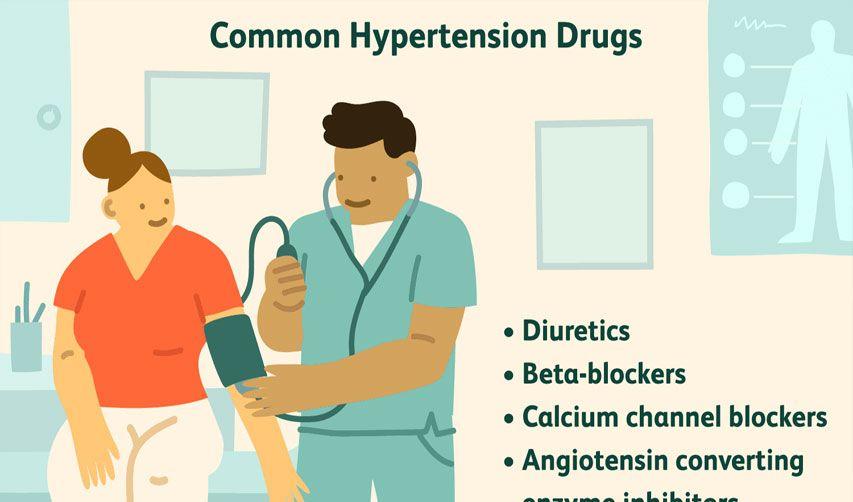
BP interventions tested in the trials included in the meta-analysis were angiotensin II receptor blockers, ACE inhibitors, diuretics, beta-blockers, and calcium channel blockers, as well as comparisons of higher versus lower systolic BP targets.
The association between BP lowering and reduced dementia or cognitive impairment appeared to be driven mostly by the Syst-Eur trial from 2002, which had patients randomized to BP meds or placebo.
Of the trials included in the report, 12 reported the incidence of dementia or a composite of dementia or cognitive impairment. The other two were analyzed for the secondary outcome of change in cognitive score.
Study participants averaged 69 years of age, and 42.2% were women. Mean baseline BP was 154/83.3 mm Hg.
That the upper bound of the CI was close to 1.0 for the cognitive findings “should prompt some caution in interpreting the findings as definitive evidence of an association of BP lowering with dementia or cognitive impairment,” Canavan’s group wrote.
The meta-analysis had several limitations, including heterogeneity in trial design (e.g., controls were placebo, alternative antihypertensive agents, or higher BP targets).
“None of the included clinical trials reported dementia as their primary outcome measure in the original trial. When dementia was reported, it was as a secondary outcome with differences in outcome definition,” the investigators noted.
Additionally, dementia may have been under-detected due to preferential loss to follow-up of participants with dementia and the potential effect of survival bias, they said.
###
Nicole Lou
Nicole Lou is a reporter for MedPage Today, where she covers cardiology news and other developments in medicine