With the outbreak of the coronavirus, COVID-19, these are unsettling times. It’s tempting to see current circumstances as an overreaction, but growing medical evidence suggests that would be a detrimental mistake.
That does not mean panic is the only option, but it does mean that, like it or not, it’s time to educate yourself.
There’s a lot we don’t know at this point, but one thing we do know is that heart health plays a part in the risk of contracting the virus and fighting it.
Risk factors
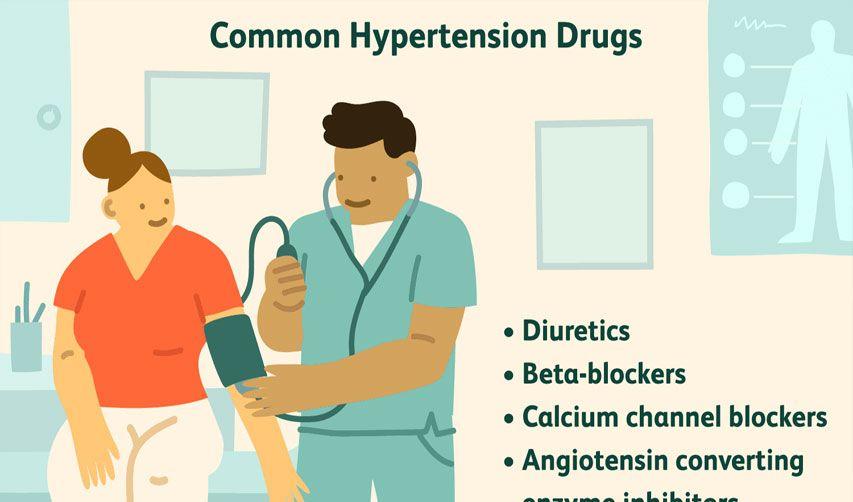
Any sort of health condition, from asthma to diabetes, puts you more at risk for contracting COVID-19 and developing serious symptoms. Hypertension is no exception. That’s a concerning and sobering fact considering that, according to the American Heart Association, nearly half of US adults have high blood pressure.
Those with heart-related conditions may be amongst the most vulnerable. The American Heart Association has reported that 40 percent of hospitalized COVID-19 patients have cardiovascular disease or cerebrovascular disease. And studies of COVID-19 cases in China suggest a higher mortality rate for adults with high blood pressure.
Symptoms
High blood pressure is not a documented symptom of COVID-19, but it can exacerbate the symptoms of the virus. According to the World Health Organization, symptoms include a fever, dry cough, and tiredness.
It’s important to note that in some cases, symptoms may not appear for up to 14 days after exposure. Which is why such extreme steps have been taken to avoid transmitting the virus.
Flattening the curve
Now some good news, there are simple steps you can take to avoid contracting or spreading the virus. If you’re tired of hearing about #FlattenTheCurve, too bad. Until we manage to do just that, it’s going to be all over the place. So, here’s what you can do to help limit the spread of COVID-19 and to lessen the stress on our hospitals:
Wash your hands.
Avoid touching your face.
Practice social distancing (at least 6 feet from other people in public spaces).
If you can, stay home.
Maintaining heart health
Because hypertension is so closely related to COVID-19, there are some steps you can take to focus on your heart health while you are sheltering in place.
Monitor your blood pressure daily. Here’s a handy 4 week logbook you can use, or download an app, like A&D Connect, to keep track electronically.
Maintain a healthy diet, and resist the urge to snack on high sodium snacks.
Make sure to exercise – there are many exercise resources available online and workouts you can do from home without special equipment, like yoga, or even taking a walk around the neighborhood.
Reduce stress – don’t forget to unplug from media and take time to unwind.
We’re living through an unprecedented moment in modern history. Just a few short weeks ago, few of us could imagine the world we knew changing this severely and quickly. Over the coming weeks, and possibly months, we’re all going to need to be patient and pay attention. If you have any questions or concerns regarding your heart health and COVID-19, reach out to your doctor.
#@#
A&D Company, Limited