How Does Coffee Affect Blood Pressure?
Coffee is a beloved beverage for many, but its effect on blood pressure is a topic of ongoing research. Caffeine, the active ingredient in coffee, can cause a temporary spike in blood pressure. For most people, this spike is short-lived. It occurs because caffeine blocks a hormone that helps keep your arteries widened. It may also cause your adrenal glands to release more adrenaline, which increases blood pressure. However, the long-term effects of coffee on blood pressure are less clear.
Some studies suggest that regular coffee drinkers may develop a tolerance to caffeine, reducing its impact on blood pressure over time. This means that while your morning cup might cause a temporary rise in blood pressure, it might not have a lasting effect if you drink coffee regularly. However, this doesn't mean everyone reacts the same way. Sensitivity to caffeine varies widely among individuals. Some people may experience more pronounced increases in blood pressure and should monitor their intake accordingly.
If you have high blood pressure, it might be worth monitoring how your body responds to caffeine. Consider checking your blood pressure before and after having coffee to see if there are any significant changes. If you find that coffee consistently raises your blood pressure, you might want to limit your intake. Discuss any significant changes or concerns with your doctor, as they can provide personalized advice based on your health needs.
Is Salt Really the Enemy for Blood Pressure?
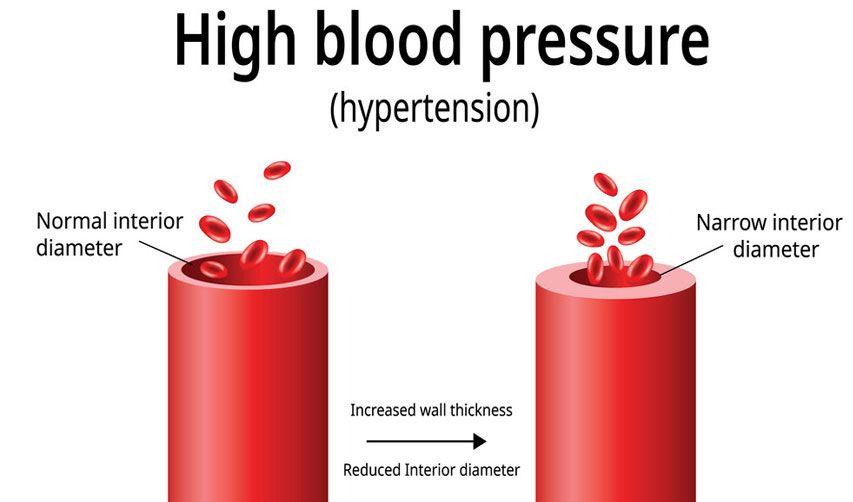
Salt, or sodium, is often mentioned in discussions about high blood pressure. The connection between salt and blood pressure is well-established. Eating too much salt can cause the body to retain water, which raises blood pressure. This is because the excess fluid increases the volume of blood, putting more pressure on your blood vessels. The American Heart Association recommends no more than 2,300 milligrams of sodium per day, with an ideal limit of 1,500 milligrams for most adults, especially those with high blood pressure.
Reducing salt intake can have a significant impact on blood pressure. Studies have shown that people who lower their sodium intake often experience a decline in blood pressure. This is particularly true for those with hypertension or those who are salt-sensitive. Salt sensitivity means that your blood pressure reacts more dramatically to changes in salt intake. It's worth noting that salt sensitivity can vary based on genetic factors, age, and ethnicity.
To reduce your salt intake, start by cutting back on processed and packaged foods, as these often contain high levels of sodium. Cooking at home allows you to control how much salt you use. You can enhance flavors with herbs, spices, and other seasonings instead. Reading nutrition labels can also help you make informed choices. Keeping your sodium intake in check is a practical step toward managing your blood pressure effectively.
What Role Does Exercise Play in Managing Blood Pressure?
Exercise is a powerful tool in managing blood pressure. Regular physical activity strengthens your heart, enabling it to pump blood more efficiently. When your heart works less hard to pump, the force on your arteries decreases, which lowers blood pressure. The American Heart Association recommends at least 150 minutes of moderate-intensity aerobic exercise, like brisk walking or cycling, every week.
Exercise can help reduce systolic blood pressure (the top number) by an average of 5 to 8 mm Hg if you have high blood pressure. It's important to be consistent, as stopping exercise can lead to an increase in blood pressure again. The benefits of exercise extend beyond just lowering blood pressure. It also helps maintain a healthy weight, reduce stress, and improve overall cardiovascular health. All these factors contribute to better blood pressure management.
If you're new to exercise or have been inactive, start slow. Even small amounts of physical activity can make a difference. Gradually increase the duration and intensity as you become more comfortable. Activities like walking, jogging, swimming, and cycling are great options. Strength training can also be beneficial, but it's wise to talk to your doctor before starting any new exercise program, especially if you have severe hypertension or other health concerns.
Are There Other Lifestyle Changes That Can Help?
Beyond coffee, salt, and exercise, several other lifestyle changes can support healthy blood pressure levels. Maintaining a healthy weight is crucial. Excess weight can increase blood pressure because the heart has to work harder to pump blood throughout the body. Losing even a small amount of weight can lower your blood pressure. Aim for a body mass index (BMI) in the normal range, which is typically between 18.5 and 24.9.
Diet also plays a key role. The DASH diet (Dietary Approaches to Stop Hypertension) is highly recommended for managing blood pressure. It emphasizes fruits, vegetables, whole grains, lean proteins, and low-fat dairy while reducing saturated fats and cholesterol. Alcohol consumption should be moderated, as excessive drinking can raise blood pressure. The general recommendation is up to one drink per day for women and two for men.
Managing stress is another important factor. Chronic stress can contribute to high blood pressure. Techniques like deep breathing, meditation, yoga, and spending time in nature can help reduce stress levels. Getting enough sleep is also essential. Poor sleep quality can negatively affect blood pressure. Aim for 7 to 9 hours of quality sleep each night. Together, these lifestyle changes can create a supportive environment for keeping your blood pressure in check.
When Should You See a Doctor About Your Blood Pressure?
Knowing when to seek medical advice is crucial in managing high blood pressure. If your blood pressure reading is consistently elevated or higher, it’s important to talk to your doctor. They can help assess your risk factors and develop a treatment plan tailored to your needs. Regular monitoring at home can provide valuable information. Keep a log of your readings to share with your healthcare provider.
There are also critical warning signs that require immediate medical attention. A blood pressure reading above 180/120 mm Hg is considered a hypertensive crisis. If you experience this level of high blood pressure along with symptoms like chest pain, shortness of breath, back pain, numbness or weakness, trouble seeing or speaking, confusion, or a severe headache, call 911 right away. These could be signs of a serious condition such as a stroke or heart attack.
If your blood pressure is above 180/120 mm Hg without symptoms, wait a few minutes and measure it again. If it remains high, contact your doctor immediately. They can guide you on the next steps and may need to adjust your treatment plan. Regular check-ups with your doctor are important, even if you feel fine. High blood pressure often has no symptoms, so routine visits are key to catching any changes early.
How Can You Monitor Your Blood Pressure at Home?
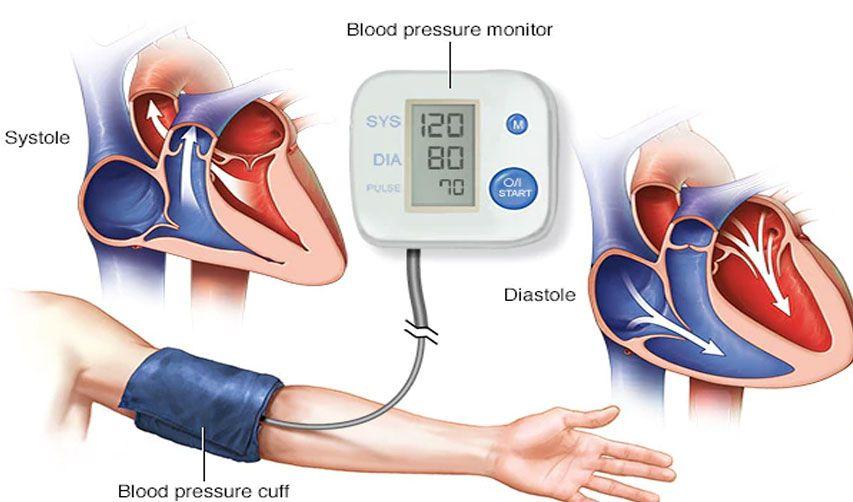
Home monitoring is an effective way to keep track of your blood pressure and manage hypertension. It provides your healthcare provider with additional data to make informed decisions about your care. When choosing a home blood pressure monitor, opt for an automatic, cuff-style bicep monitor. These tend to be more accurate than wrist or finger models. Make sure the cuff fits properly, as an ill-fitting cuff can lead to inaccurate readings.
To get an accurate measurement, sit quietly for a few minutes before taking your reading. Sit with your back straight, feet flat on the floor, and arm supported at heart level. Avoid caffeine, exercise, and smoking 30 minutes before measuring. Take multiple readings at the same time each day, such as morning and evening, to get a consistent record. Record all readings in a log to discuss with your healthcare provider.
Home monitoring is not a replacement for regular doctor visits but a complement to them. It helps you stay engaged in your care and allows you to notice any significant changes that may require medical attention. If you notice consistently high readings, contact your doctor to discuss your concerns. They can provide guidance and, if necessary, adjust your treatment plan to better manage your blood pressure.
What Are the Main Takeaways for Managing Blood Pressure?
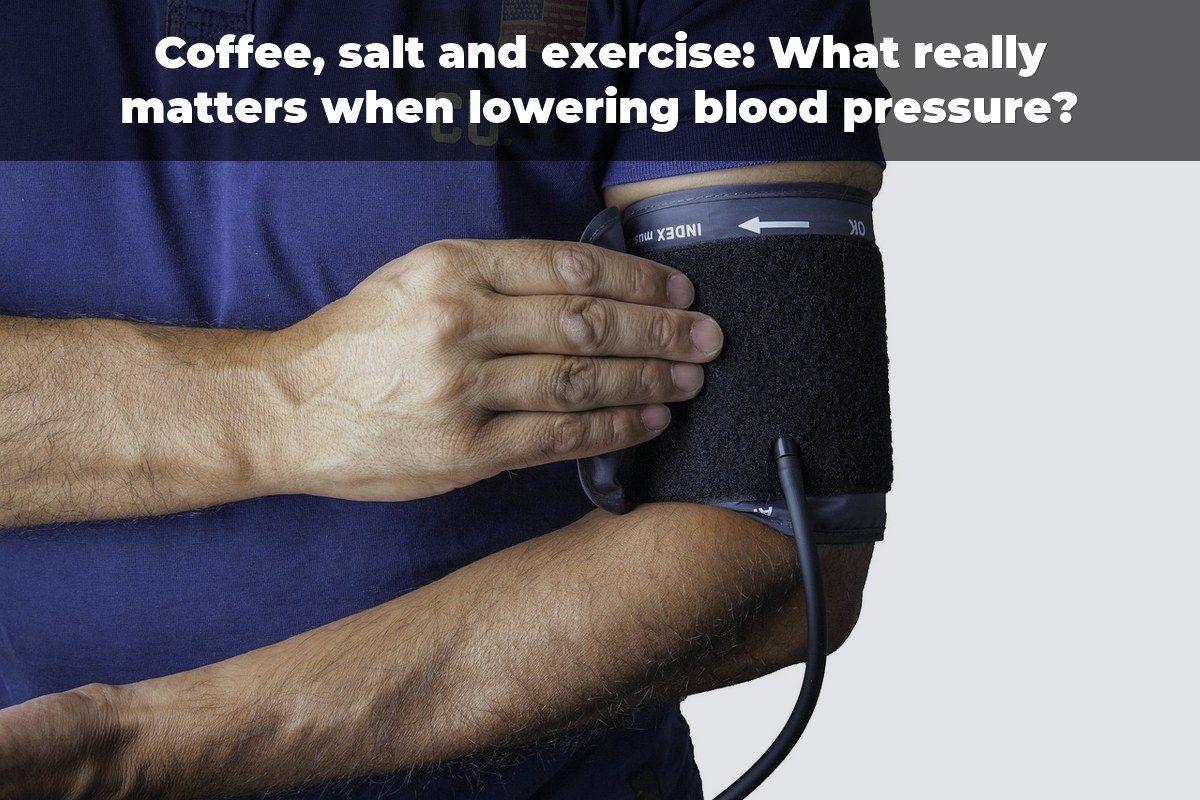
Managing blood pressure involves a combination of lifestyle changes, regular monitoring, and medical guidance. Coffee, salt, and exercise are important factors to consider. While coffee can cause short-term increases in blood pressure, reducing salt intake and engaging in regular exercise can have lasting positive effects. Making other lifestyle changes, such as maintaining a healthy weight, following the DASH diet, moderating alcohol intake, managing stress, and ensuring good sleep, can further support blood pressure management.
Regular check-ups with your doctor are essential, as they can help you track your progress and make any necessary adjustments to your treatment plan. Home monitoring provides valuable data that can inform these discussions. Remember, every person's response to lifestyle changes and treatments can vary. What works for one person might not work for another, so it's important to find a personalized approach that suits your needs.
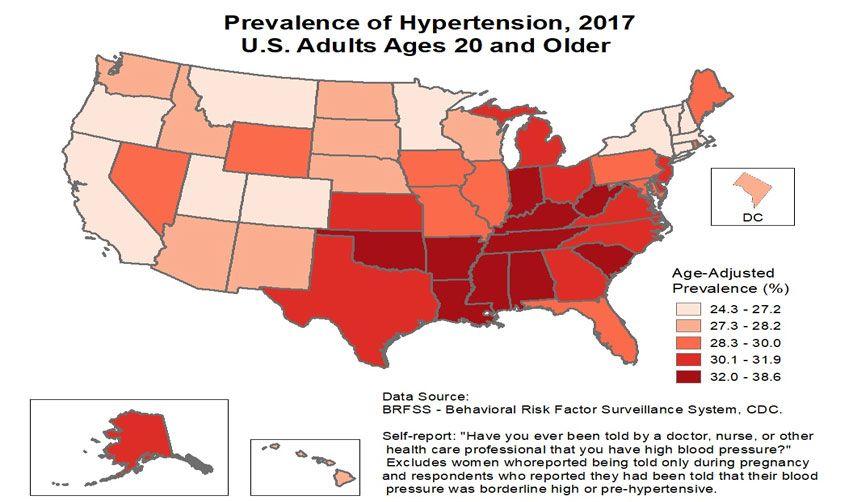
Finally, being proactive about your health and understanding when to seek medical advice can prevent complications. By taking these steps, you're not only managing your blood pressure but also enhancing your overall health and well-being. High blood pressure is a common condition, but with the right strategies, it is manageable. Make small, sustainable changes and work closely with your healthcare provider to achieve the best outcomes.
This article is for general information only and is not medical advice. Always talk with your doctor about your blood pressure and treatment, and do not start or stop a medicine on your own. If your blood pressure is above 180/120 and you have chest pain, shortness of breath, numbness or weakness, vision changes, or trouble speaking, call 911 right away.