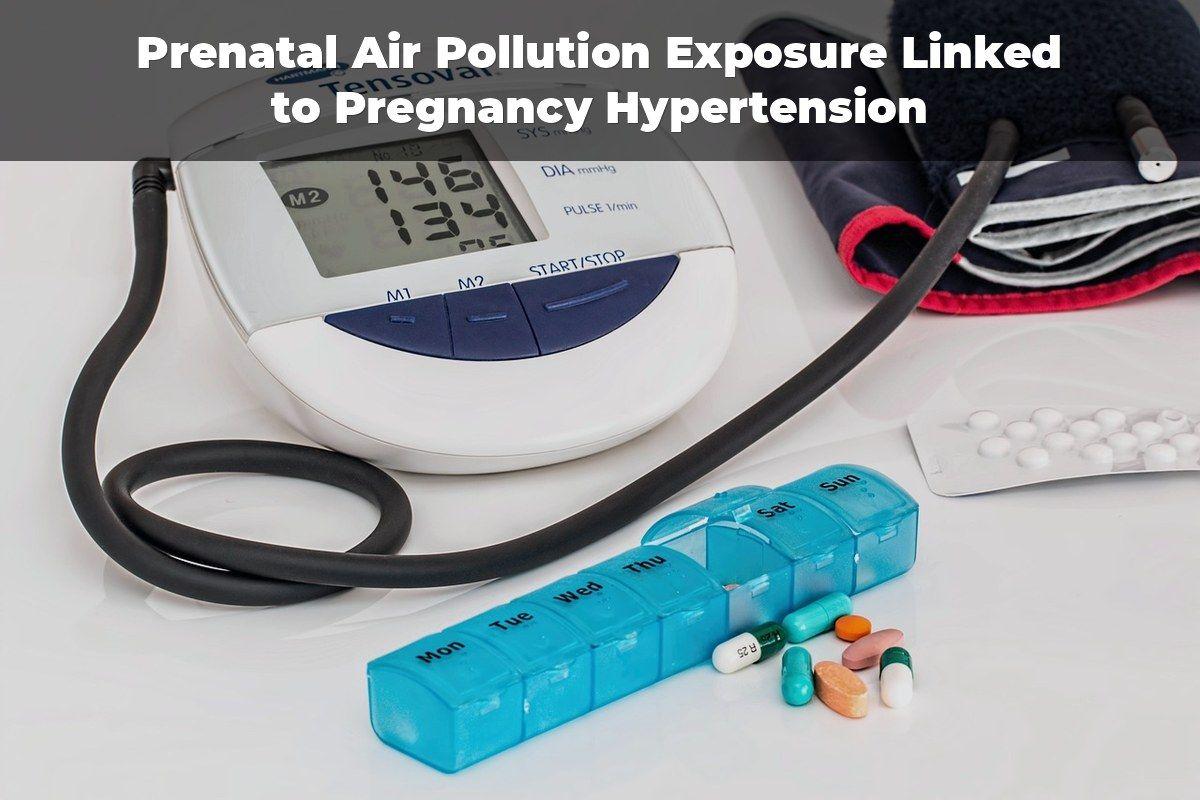
How Is Prenatal Air Pollution Exposure Linked to Pregnancy Hypertension?
A recent report from Bioengineer.org highlights a connection between early prenatal exposure to air pollution, specifically fine particulate matter known as PM2.5, and the development of hypertension during pregnancy. While this report suggests a concerning link, it's important to understand that this is an emerging area of research. The potential relationship between air pollution and pregnancy hypertension adds to existing knowledge about the various risks associated with exposure to polluted air.
Pregnancy hypertension, or high blood pressure during pregnancy, is a serious condition that can affect both the mother and the baby. It can lead to complications such as preeclampsia, a condition marked by high blood pressure and signs of damage to another organ system, often the kidneys. Understanding environmental factors that might contribute to pregnancy hypertension is crucial for prevention and management.
The research into air pollution and its effects on health has been growing over the years. Air pollution consists of various harmful substances, but PM2.5, which are particles less than 2.5 micrometers in diameter, can penetrate deep into the lungs and even enter the bloodstream. This exposure could potentially trigger inflammatory responses that affect blood pressure regulation. While early research suggests a link, more studies are necessary to fully understand the impact and mechanisms involved.
What Are the Risk Factors for Pregnancy Hypertension?
Pregnancy hypertension is a condition that can develop due to various factors. Understanding these risk factors can help expectant mothers take preventive steps. One key risk factor is a history of high blood pressure, either in previous pregnancies or prior to becoming pregnant. Women who have had hypertension before pregnancy are more likely to experience it again.
Another significant risk factor is obesity. Excess weight can increase the strain on the heart and blood vessels, leading to higher blood pressure. Additionally, carrying multiple babies, such as twins or triplets, can increase the risk because the body has to work harder to support the pregnancy. Age also plays a role; women over 35 are at a higher risk of developing hypertension during pregnancy.
Lifestyle factors such as diet and exercise habits can also influence the likelihood of developing pregnancy hypertension. A diet high in salt and low in nutrients can contribute to elevated blood pressure. Lack of physical activity can also increase the risk. Keeping active and maintaining a balanced diet may help manage blood pressure levels. It's essential for pregnant women to discuss their risk factors with their healthcare provider to develop a personalized plan for a healthy pregnancy.
How Can Air Pollution Affect Blood Pressure?
Air pollution, particularly PM2.5, can have a direct impact on blood pressure. These tiny particles can enter the respiratory system and eventually make their way into the bloodstream. Once in the bloodstream, they can cause inflammation and oxidative stress, which are known to affect blood pressure regulation. Inflammation can lead to the narrowing of blood vessels, which forces the heart to work harder and raises blood pressure levels.
The cardiovascular system is particularly sensitive to changes in air quality. Studies have shown that exposure to high levels of air pollution can lead to acute spikes in blood pressure. Long-term exposure may contribute to the development of chronic hypertension. Pregnant women may be especially vulnerable due to the additional circulatory demands of pregnancy.
Reducing exposure to air pollution can be a proactive step in managing blood pressure. This can include staying indoors on days with poor air quality, using air purifiers, and avoiding high-traffic areas. Expectant mothers should be aware of air quality reports and take appropriate measures to limit their exposure, especially during early pregnancy when the fetus is developing.
What Are the Symptoms and Warning Signs of Pregnancy Hypertension?
Recognizing the symptoms of pregnancy hypertension is vital for seeking timely medical intervention. Some symptoms to watch for include severe headaches, changes in vision (such as blurred vision or seeing spots), and swelling in the face and hands. Sudden weight gain, particularly if it exceeds five pounds in a week, can be another warning sign.
Other symptoms include upper abdominal pain, usually under the ribs on the right side, and difficulty breathing. These symptoms could indicate preeclampsia, which requires immediate medical attention. It's crucial for pregnant women to monitor any unusual changes in their body and seek medical advice if they experience these symptoms.
Blood pressure readings are a critical tool in diagnosing pregnancy hypertension. Regular prenatal check-ups typically include blood pressure monitoring. A reading of 140/90 or higher is considered high during pregnancy and warrants further evaluation. Home monitoring can also be beneficial. Pregnant women can use a home blood pressure monitor to keep track of their readings and report any concerns to their healthcare provider.
When Should You See a Doctor About Pregnancy Hypertension?
It's important to know when to seek medical advice for pregnancy hypertension. If a pregnant woman experiences any symptoms of high blood pressure, she should contact her doctor right away. Immediate attention is required if there are signs of a hypertensive crisis. This includes a blood pressure reading above 180/120 alongside symptoms like chest pain, shortness of breath, back pain, numbness or weakness, trouble seeing or speaking, confusion, or a severe headache. In such cases, calling 911 is essential.
Even without symptoms, a reading above 180/120 is concerning. It's advisable to wait a few minutes and take the reading again. If the blood pressure remains that high, contacting a healthcare provider immediately is necessary. Regular prenatal visits are crucial for monitoring blood pressure and catching any potential issues early.
Pregnant women should not hesitate to reach out to their healthcare team if they have concerns about their blood pressure or experience any unusual symptoms. Early detection and management of pregnancy hypertension can prevent complications and ensure a safer pregnancy for both mother and baby.
Can Lifestyle Changes Help Manage Pregnancy Hypertension?
Lifestyle changes can play a significant role in managing pregnancy hypertension. Diet is one of the most impactful areas. Following a diet similar to the DASH diet, which emphasizes fruits, vegetables, whole grains, and lean proteins, can help control blood pressure. Reducing salt intake is also important, as excess sodium can increase blood pressure.
Regular physical activity is another effective way to manage blood pressure. While pregnant women should consult their healthcare provider before starting any exercise program, activities like walking, swimming, and prenatal yoga can be beneficial. Exercise helps improve circulation and can reduce stress, both of which are helpful for maintaining healthy blood pressure levels.
Stress management is also crucial. Pregnancy can be a stressful time, and finding ways to relax can have a positive impact on blood pressure. Techniques such as deep breathing exercises, meditation, and prenatal massage can help reduce stress levels. Getting adequate sleep is equally important, as it allows the body to recover and maintain balance. Making these lifestyle changes can support overall health during pregnancy and help manage hypertension more effectively.
What Are the Treatment Options for Pregnancy Hypertension?
Treatment for pregnancy hypertension often involves a combination of lifestyle changes and medication. The first step is usually to adopt a healthier lifestyle, including diet and exercise modifications. For some women, these changes may be enough to manage their blood pressure. However, if lifestyle adjustments do not suffice, medication may be necessary.
Healthcare providers may prescribe antihypertensive medications that are safe for use during pregnancy. It's essential to follow the prescribed treatment plan and attend regular check-ups to monitor blood pressure levels. Pregnant women should never start, stop, or change their medication without consulting their healthcare provider, as this could have serious implications for both the mother and the baby.
In some cases, hospitalization may be required to closely monitor the mother and baby, especially if there are signs of severe hypertension or preeclampsia. The goal of treatment is to manage blood pressure effectively while minimizing risks to the mother and the fetus. By working closely with healthcare providers, pregnant women can ensure they receive the most appropriate care for their individual situation.
Source: Early Prenatal PM2.5 Exposure Linked to Pregnancy Hypertension in Cohort Study (Bioengineer.org)
This article is for general information only and is not medical advice. Always talk with your doctor about your blood pressure and treatment, and do not start or stop a medicine on your own. If your blood pressure is above 180/120 and you have chest pain, shortness of breath, numbness or weakness, vision changes, or trouble speaking, call 911 right away.