What Does the Recent Report on Obesity and Hypertension in Pakistan Reveal?
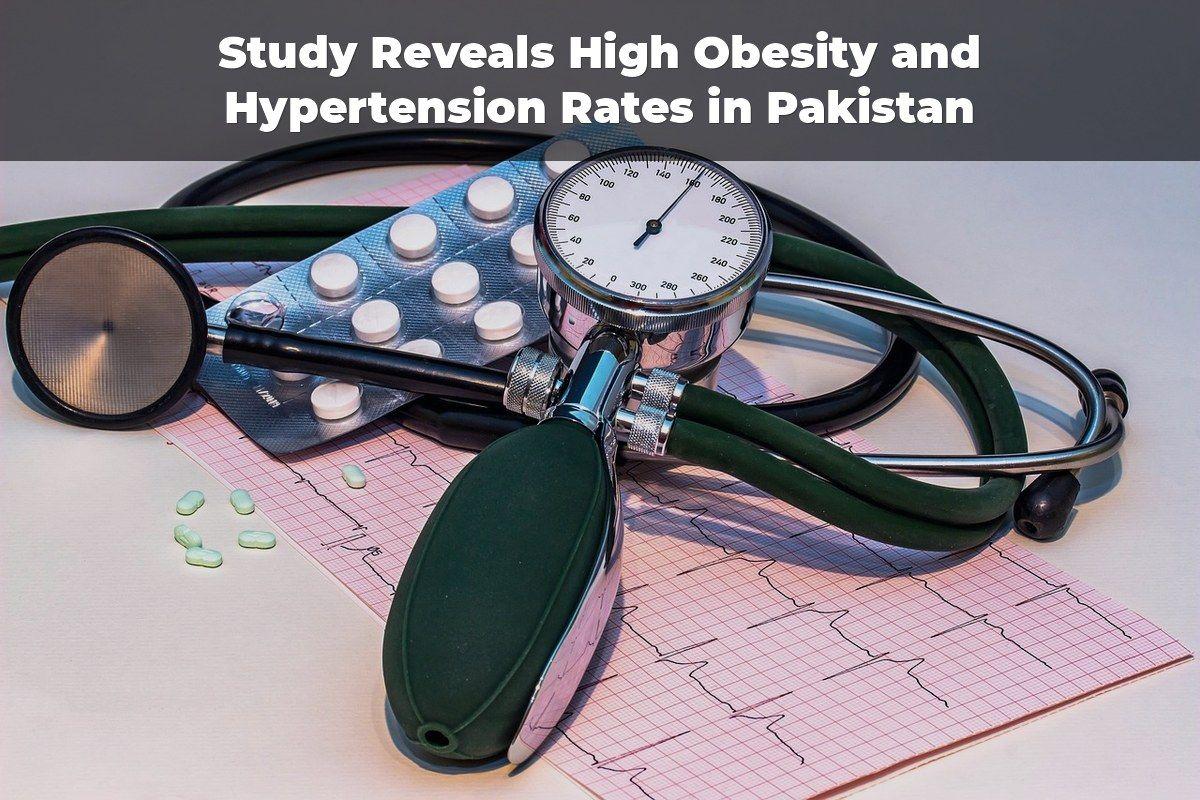
A recent report from WE News English highlights a concerning trend in Pakistan, where 78% of a sample of 2,000 healthy adults were found to be obese, and 33% had hypertension. This early research suggests a significant overlap between obesity and high blood pressure in this population. While we don't have the full details of the study, these findings align with global trends showing that obesity and hypertension often go hand in hand. This connection raises alarms about the health challenges that may be unfolding in Pakistan and other parts of the world.
The report serves as a reminder of the importance of understanding the risks and implications of both obesity and hypertension. Obesity is known to increase the risk of developing high blood pressure. Excess body weight can strain the heart and blood vessels, leading to hypertension over time. This relationship is well-documented and underscores the need for effective public health strategies to address these intertwined issues.
For individuals living with high blood pressure, these findings should be a call to action. Managing weight through lifestyle changes, such as diet and exercise, can help lower blood pressure and reduce the risk of developing hypertension-related complications. Understanding the relationship between obesity and hypertension can empower people to make informed decisions about their health and seek appropriate medical guidance.
How Are Obesity and Hypertension Connected?
Obesity and hypertension are tightly linked. Carrying extra weight can lead to increased blood pressure due to several factors. First, excess fat tissue demands more blood to supply oxygen and nutrients, which increases the workload on the heart. This results in higher pressure on the artery walls, leading to hypertension.
Moreover, obesity can trigger the release of certain hormones and chemicals that contribute to increased blood pressure. For instance, excess fat, particularly around the abdomen, can cause hormonal imbalances that affect how the body regulates blood pressure. Obesity often leads to insulin resistance, which can further exacerbate hypertension.
Additionally, obesity is associated with increased inflammation and oxidative stress in the body, both of which can damage blood vessels and raise blood pressure. The combination of these physiological effects makes it clear why maintaining a healthy weight is crucial in preventing and managing high blood pressure. Understanding these mechanisms helps highlight the importance of a balanced diet and regular exercise in controlling both obesity and hypertension.
What Are the Symptoms and Risks of Hypertension?
High blood pressure, or hypertension, is often called the "silent killer" because it typically shows no symptoms until significant damage has occurred. Many people with hypertension may not know they have it until they experience complications like heart disease, stroke, or kidney problems. Regular monitoring of blood pressure is crucial, especially for those who are overweight or have other risk factors.
The risks of untreated hypertension are severe. It can lead to heart attacks, heart failure, stroke, and kidney damage. In addition, hypertension can cause problems with vision by damaging the blood vessels in the eyes, potentially leading to blindness. The condition can also contribute to cognitive decline and increase the risk of dementia.
Given these risks, it's vital for individuals to be aware of their blood pressure readings and understand what they mean. Blood pressure is measured in millimeters of mercury (mm Hg) and is recorded as two numbers: systolic pressure (the top number) and diastolic pressure (the bottom number). Normal blood pressure is below 120/80 mm Hg. Readings consistently above this range indicate elevated blood pressure and a need for lifestyle changes or medical intervention.
How Can Lifestyle Changes Help Manage Hypertension?
Adopting a healthy lifestyle is one of the most effective ways to manage high blood pressure. Dietary changes are a good starting point. The DASH diet (Dietary Approaches to Stop Hypertension) is widely recommended. It emphasizes fruits, vegetables, whole grains, and lean proteins while reducing salt intake. High sodium levels can increase blood pressure, so keeping salt consumption in check is crucial.
Exercise is another key component. Regular physical activity strengthens the heart, enabling it to pump blood with less effort, which reduces the pressure on arteries. Aim for at least 150 minutes of moderate-intensity exercise each week, such as brisk walking, swimming, or cycling. Regular exercise can help with weight loss, which in turn can lower blood pressure.
Weight management is particularly important for those who are overweight or obese. Even a small reduction in weight can lead to significant improvements in blood pressure. Reducing alcohol intake and quitting smoking are also beneficial. Both alcohol and tobacco can raise blood pressure, so minimizing their use can help control hypertension.
When Should You See a Doctor About High Blood Pressure?
Knowing when to seek medical care for high blood pressure is crucial for preventing serious health complications. If you measure your blood pressure at home and get a reading above 180/120 mm Hg, it’s considered a hypertensive crisis. If this occurs alongside symptoms like chest pain, shortness of breath, back pain, numbness or weakness, trouble seeing or speaking, confusion, or a severe headache, it's important to call 911 immediately.
Even if you don't have symptoms, a reading above 180/120 mm Hg should not be ignored. Wait a few minutes, measure your blood pressure again, and if it remains high, contact your doctor right away. Regular check-ups with your healthcare provider are essential for monitoring blood pressure and making necessary adjustments to your treatment plan.
It's also important to consult a doctor if you consistently have elevated blood pressure readings, even if they are not in the hypertensive crisis range. Early intervention can prevent the progression of hypertension and reduce the risk of complications. Your doctor can guide you on lifestyle changes and, if needed, prescribe medications to help manage your blood pressure.
What Role Do Medications Play in Treating Hypertension?
Medications are often prescribed to help manage high blood pressure, especially when lifestyle changes alone are not enough. There are several classes of blood pressure medications, each working in different ways to lower blood pressure. Common types include diuretics, ACE inhibitors, angiotensin II receptor blockers (ARBs), calcium channel blockers, and beta-blockers.
Diuretics, often called water pills, help remove excess sodium and water from the body, reducing blood pressure. ACE inhibitors and ARBs work by relaxing blood vessels, making it easier for the heart to pump blood. Calcium channel blockers and beta-blockers also help relax blood vessels and reduce the heart's workload.
It's important for patients to take medications as prescribed and not to stop or change them without consulting a doctor. Medication adherence is crucial for effectively controlling blood pressure and preventing complications. Regular follow-ups with a healthcare provider can ensure that the medication regimen is effective and adjust it if needed.
How Can You Monitor Blood Pressure at Home?
Home blood pressure monitoring is an effective way to keep track of your blood pressure and ensure that it remains within a healthy range. Having a home blood pressure monitor allows you to check your readings regularly and identify any concerning patterns or changes.
When using a home blood pressure monitor, it's important to follow the instructions carefully. Sit quietly for a few minutes before taking a reading, and ensure that your arm is at heart level. Take multiple readings at different times of the day to get a more accurate picture of your blood pressure.
Keeping a log of your readings can help you and your doctor understand your blood pressure patterns over time. Share this information with your healthcare provider during visits, as it can provide valuable insights into the effectiveness of your treatment plan and whether any adjustments are needed.
Source: Pakistan Study Finds 78% Obesity, 33% Hypertension Among 2,000 Healthy Adults (WE News English)
This article is for general information only and is not medical advice. Always talk with your doctor about your blood pressure and treatment, and do not start or stop a medicine on your own. If your blood pressure is above 180/120 and you have chest pain, shortness of breath, numbness or weakness, vision changes, or trouble speaking, call 911 right away.