What Desserts Are Suggested for Managing High Blood Pressure?
A recent report from EatingWell highlights the best dessert options for those managing high blood pressure. While the report may offer insights on specific dessert choices, it’s important to understand how diet affects blood pressure overall. For those with high blood pressure, making smart dessert choices is part of a larger effort to maintain a healthy lifestyle. While desserts are often seen as indulgences, they can fit into a heart-healthy diet when chosen wisely. This means focusing on options that are lower in sugar, sodium, and unhealthy fats.
A balanced diet is key in managing high blood pressure. The Dietary Approaches to Stop Hypertension (DASH) diet is often recommended. This diet emphasizes fruits, vegetables, whole grains, lean proteins, and healthy fats. Desserts that align with these principles can help individuals enjoy sweet treats without negatively impacting their blood pressure. For example, fruit-based desserts like baked apples or berries with yogurt can satisfy a sweet tooth while providing nutrients and fiber.
It's also important to pay attention to portion sizes and frequency of indulgence. Even the healthiest dessert can contribute to weight gain or blood sugar spikes if consumed in excess. Keeping portions small and enjoying desserts occasionally can help maintain a balanced diet. Remember, managing high blood pressure involves a holistic approach, including regular exercise, stress management, and adherence to prescribed medications.
Can Chocolate Be Part of a Heart-Healthy Diet?
Chocolate lovers may rejoice knowing that dark chocolate can be part of a heart-healthy diet. Dark chocolate is rich in flavonoids, compounds that have antioxidant effects. These antioxidants can help improve blood flow and reduce inflammation, potentially lowering blood pressure. However, not all chocolate is created equal. Opting for dark chocolate with at least 70% cocoa content is advisable. This ensures a higher concentration of beneficial compounds and less sugar and fat.
When incorporating chocolate into your diet, moderation is key. A small piece of dark chocolate a few times a week can be beneficial. Pairing it with a handful of nuts or a piece of fruit can make for a satisfying and nutritious dessert. It's also vital to choose chocolate that is low in added sugars and free from unhealthy fillers like trans fats. Reading labels carefully can help you make informed choices.
While dark chocolate can have health benefits, it's not a substitute for other important lifestyle changes. Regular physical activity, reducing sodium intake, and maintaining a healthy weight are crucial for managing high blood pressure. If you have concerns about adding chocolate to your diet, it's a good idea to discuss it with your healthcare provider, especially if you have any dietary restrictions or health conditions.
Are Fruit-Based Desserts Effective for Blood Pressure Management?
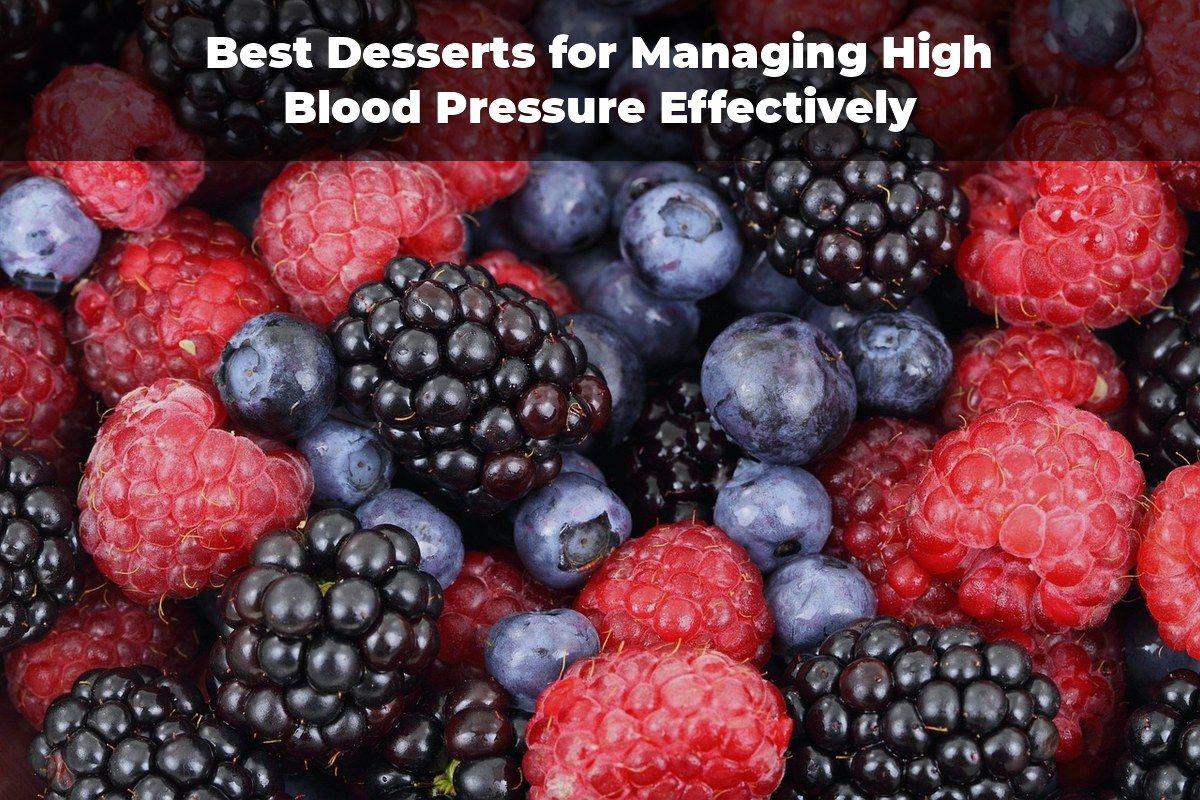
Fruit-based desserts are an excellent choice for those managing high blood pressure. Fruits are naturally low in sodium and full of vitamins, minerals, and fiber. They can satisfy sweet cravings while supporting heart health. Berries, in particular, are rich in antioxidants like anthocyanins, which may help lower blood pressure levels. Incorporating a variety of fruits into your diet can provide a range of health benefits.
One simple way to enjoy a fruit-based dessert is by making a fruit salad with a variety of colorful fruits. Adding a dash of cinnamon or a squeeze of lemon juice can enhance the flavors without adding extra calories. Another option is to bake fruits like apples or pears. These can be seasoned with spices such as cinnamon or nutmeg and enjoyed warm. Pairing them with a dollop of low-fat yogurt can add creaminess and protein.
While fruits are healthy, it's essential to be mindful of overall sugar intake. Even natural sugars can add up if consumed in large amounts. Incorporating fruits into desserts should be part of a balanced diet that includes various food groups. This approach helps ensure you get all the nutrients your body needs while keeping blood pressure in check.
How Does Reducing Sugar and Salt in Desserts Help?
Reducing sugar and salt in desserts can significantly impact blood pressure management. Excess sugar intake can lead to weight gain and increased blood sugar levels, which are risk factors for high blood pressure. Similarly, high sodium intake can cause the body to retain water, increasing blood volume and, consequently, blood pressure. By minimizing these ingredients in desserts, you can enjoy sweet treats without compromising your health.
To reduce sugar, consider using natural sweeteners like stevia or monk fruit, which do not affect blood sugar levels. Alternatively, using spices such as cinnamon or vanilla can add sweetness and flavor without added sugar. When baking, you can also try reducing the sugar called for in a recipe by one-third to one-half without affecting the final product too drastically.
Reducing salt involves more than just cutting back on table salt. Many processed and packaged foods, including desserts, contain high levels of sodium. Opting for homemade desserts allows you to control the ingredients and limit sodium intake. Using salt-free spices and herbs can enhance flavor without the need for added salt. By making these adjustments, you can enjoy delicious desserts that support your heart health.
What Role Does Portion Control Play in Dessert Choices?
Portion control is crucial when it comes to enjoying desserts while managing high blood pressure. Even healthy desserts can contribute to excess calorie and sugar intake if consumed in large quantities. Being mindful of portion sizes helps prevent overeating and supports weight management, which is important for blood pressure control. A small serving of a sweet treat can be satisfying without derailing your dietary goals.
One effective strategy for portion control is to serve desserts in smaller dishes or bowls. This can make the portion appear larger than it is, helping you feel more satisfied. Additionally, savoring each bite slowly can enhance the experience and allow you to enjoy the flavors fully. This mindful approach to eating can prevent the tendency to reach for a second serving.
It's also helpful to plan when you'll have dessert. Enjoying it as part of a balanced meal rather than as a standalone snack can help control portions. Pairing desserts with a source of protein or fiber can also aid in feeling fuller, reducing the likelihood of overindulging. By incorporating these strategies, you can enjoy dessert as part of a heart-healthy lifestyle.
When Should You See a Doctor About Your Blood Pressure?
Monitoring blood pressure regularly is vital for anyone managing hypertension. It's important to know when to seek medical attention. A reading above 180/120 mm Hg is considered a hypertensive crisis and requires immediate attention. If this is accompanied by symptoms such as chest pain, shortness of breath, back pain, numbness or weakness, trouble seeing or speaking, confusion, or a severe headache, call 911 right away.
If you measure your blood pressure and find it’s above 180/120 mm Hg without any symptoms, it’s advised to wait a few minutes and take the reading again. If the follow-up reading is still elevated, contact your doctor immediately. This level of blood pressure can cause damage to your organs and requires prompt medical intervention.
Regular visits to your healthcare provider are also important for managing high blood pressure. Your doctor can help you monitor your condition and adjust treatment plans as needed. If you notice changes in your symptoms or if your blood pressure readings are consistently higher than normal, don't hesitate to reach out to your healthcare team. Early intervention can prevent serious complications and help keep your blood pressure under control.
Source: The Best Dessert If You Have High Blood Pressure (EatingWell)
This article is for general information only and is not medical advice. Always talk with your doctor about your blood pressure and treatment, and do not start or stop a medicine on your own. If your blood pressure is above 180/120 and you have chest pain, shortness of breath, numbness or weakness, vision changes, or trouble speaking, call 911 right away.