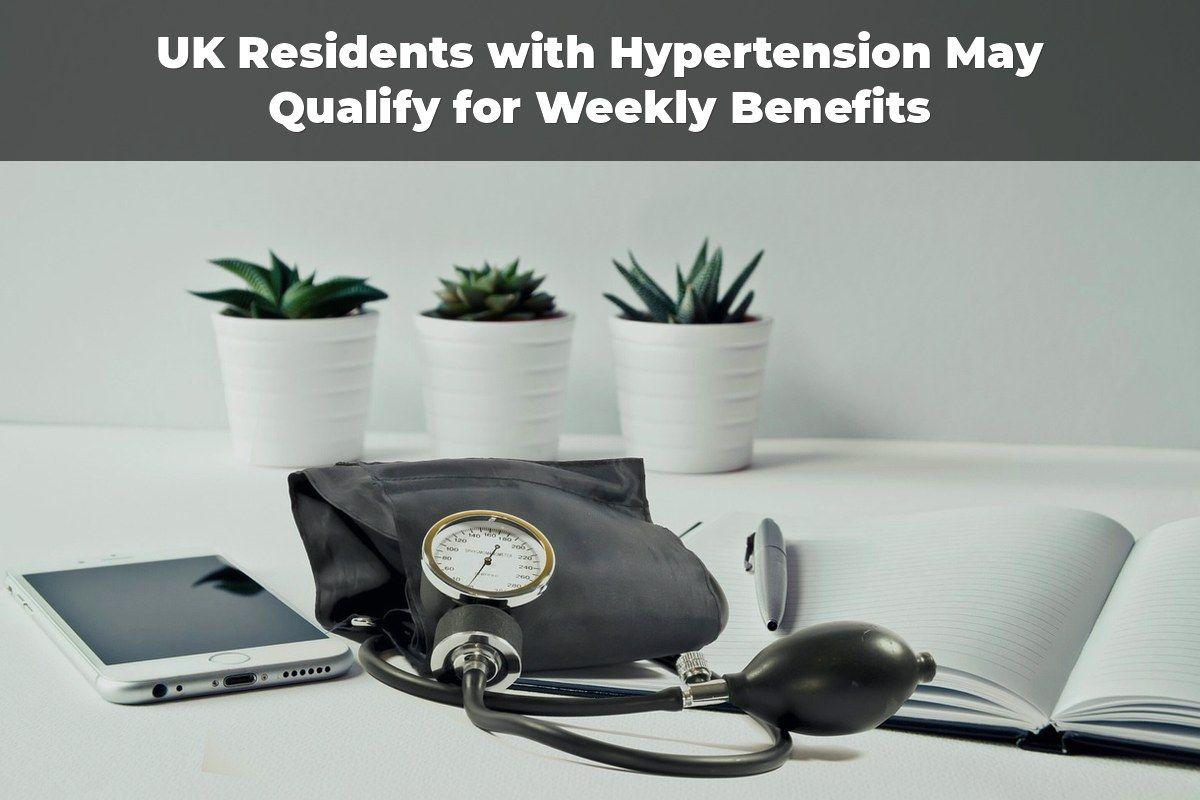
What Does the Recent News Report Say About Benefits for UK Residents with Hypertension?
A recent report from the Daily Express highlights a potential financial benefit for UK residents living with hypertension. According to the headline, Brits with high blood pressure may qualify for a weekly payment from the Department for Work and Pensions (DWP) amounting to £194.60. While the report does not provide detailed specifics, it suggests that individuals with hypertension could be eligible for financial aid.
This development could offer some relief for those struggling with the costs associated with managing high blood pressure. It's crucial for UK residents with hypertension to stay informed about such benefits. They may need to consult with local health services or government agencies to understand their eligibility and the application process.
For those in the US, this news serves as a reminder of the importance of understanding what resources might be available to help manage chronic conditions like hypertension. While financial benefits like those mentioned in the UK report may not be available, there are other ways to manage expenses related to hypertension, such as insurance coverage and community health programs.
What Are the Blood Pressure Categories?
Understanding blood pressure categories can help manage hypertension more effectively. Blood pressure is measured in millimeters of mercury (mm Hg) and is given as two numbers: systolic pressure over diastolic pressure. According to the American Heart Association (AHA) and the American College of Cardiology (ACC), normal blood pressure is below 120/80 mm Hg. Elevated blood pressure is when the systolic number is between 120 and 129, and the diastolic number is below 80.
Stage 1 hypertension is defined as 130-139 mm Hg systolic or 80-89 mm Hg diastolic. Stage 2 hypertension is when the systolic number is 140 mm Hg or higher or the diastolic number is 90 mm Hg or higher. A hypertensive crisis occurs when blood pressure readings soar above 180/120 mm Hg and require immediate medical attention.
Knowing your blood pressure category is essential for proper management. Those with elevated or stage 1 hypertension should focus on lifestyle changes to lower their numbers, while those with stage 2 may need medication in addition to lifestyle adjustments. Regular monitoring can help track progress and adjust treatment plans as needed.
What Are the Symptoms and Causes of Hypertension?
Hypertension is often called the "silent killer" because it usually has no noticeable symptoms. Many people with high blood pressure feel perfectly fine even when their numbers are dangerously high. However, some individuals may experience headaches, shortness of breath, or nosebleeds, though these symptoms aren't specific to hypertension.
The exact cause of hypertension isn't always clear. It can develop over many years and affect nearly everyone eventually. Certain factors increase the risk, including being overweight, a sedentary lifestyle, a diet high in salt, excessive alcohol consumption, stress, and a family history of high blood pressure. Age and ethnicity can also play a role.
Understanding these risk factors can help in managing and possibly preventing hypertension. Lifestyle changes, such as a balanced diet, regular exercise, weight management, and limiting alcohol intake, can significantly lower the risk. It's also crucial to monitor blood pressure regularly to catch any changes early.
How Can Home Monitoring Help Manage Hypertension?
Home monitoring of blood pressure is a valuable tool in managing hypertension. It allows individuals to track their blood pressure over time, providing important data for healthcare providers to adjust treatment plans. Home monitoring can also help identify patterns or triggers that may cause spikes in blood pressure.
To start, you'll need a reliable home blood pressure monitor. Look for one that is easy to use and approved by medical organizations. Measure your blood pressure at the same time each day, and record the readings to share with your doctor. This consistent monitoring can help you and your healthcare provider see how your treatment plan is working.
Home monitoring can also make you more aware of lifestyle factors that affect your blood pressure, such as diet, exercise, and stress levels. By identifying these patterns, you can make informed changes to your lifestyle that may help lower your blood pressure and reduce the risk of complications.
What Lifestyle Changes Can Lower Blood Pressure?
Lifestyle changes are a cornerstone of managing high blood pressure. The DASH diet, which stands for Dietary Approaches to Stop Hypertension, is one effective strategy. This diet emphasizes fruits, vegetables, whole grains, and lean proteins while reducing salt, red meat, and sugar intake. Adopting the DASH diet can help lower blood pressure and improve overall health.
Exercise is another critical factor. Regular physical activity, such as walking, jogging, or swimming, can help lower blood pressure and maintain a healthy weight. Aim for at least 150 minutes of moderate-intensity exercise each week. Weight management is essential, as excess weight can strain the heart and raise blood pressure.
Reducing salt intake is also vital. Too much salt in the diet can lead to fluid retention, which raises blood pressure. Limiting alcohol consumption and managing stress through relaxation techniques like yoga or meditation can further support healthy blood pressure levels. These lifestyle changes, combined with medical treatment if needed, can significantly impact blood pressure management.
When Should You See a Doctor About High Blood Pressure?
It's important to know when to seek medical help for high blood pressure. A reading above 180/120 mm Hg requires immediate attention, especially if accompanied by symptoms such as chest pain, shortness of breath, back pain, numbness or weakness, trouble seeing or speaking, confusion, or a severe headache. These are signs of a hypertensive crisis, and you should call 911 right away.
If you measure a blood pressure above 180/120 mm Hg without symptoms, wait a few minutes and measure again. If the reading remains high, contact your doctor immediately. Persistent high readings without symptoms may not require emergency care, but they do indicate that your current treatment plan needs adjustment.
Regular check-ups with your doctor are essential for managing hypertension. They can help determine the best treatment plan, adjust medications if needed, and provide guidance on lifestyle changes. Don't hesitate to reach out to your healthcare provider if you have concerns about your blood pressure or experience any new symptoms.
What Treatment Options Are Available for Hypertension?
Treatment for hypertension often involves a combination of lifestyle changes and medication. Several classes of medications can effectively lower blood pressure, including diuretics, ACE inhibitors, angiotensin II receptor blockers, calcium channel blockers, and beta-blockers. Your doctor will determine the best medication based on your specific needs and medical history.
It's important to take prescribed medications as directed and not stop taking them without consulting your doctor. Even if you feel fine, high blood pressure can still cause damage to your heart, kidneys, and other organs. Regular follow-ups are crucial to ensure the medication is working and to make any necessary adjustments.
In addition to medication, lifestyle changes play a key role in managing hypertension. Following a balanced diet, engaging in regular exercise, maintaining a healthy weight, and managing stress can all contribute to lowering blood pressure. Combining these efforts with medical treatment can help achieve and maintain healthy blood pressure levels.
Source: Brits with high blood pressure can qualify for £194.60 weekly payment from DWP (Daily Express)
This article is for general information only and is not medical advice. Always talk with your doctor about your blood pressure and treatment, and do not start or stop a medicine on your own. If your blood pressure is above 180/120 and you have chest pain, shortness of breath, numbness or weakness, vision changes, or trouble speaking, call 911 right away.